MidwestNaturalist.Com
Tubifera ferruginosa (raspberry slime mold)

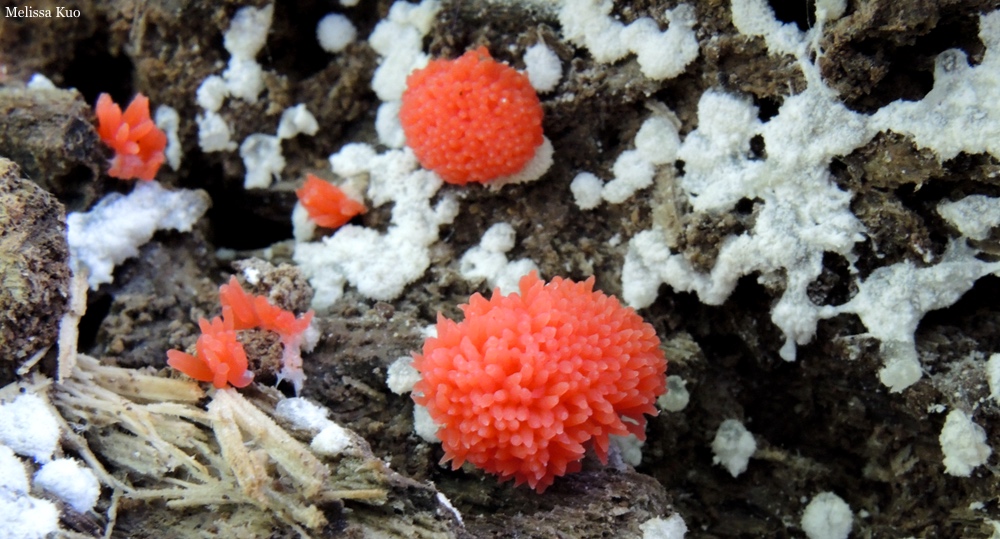
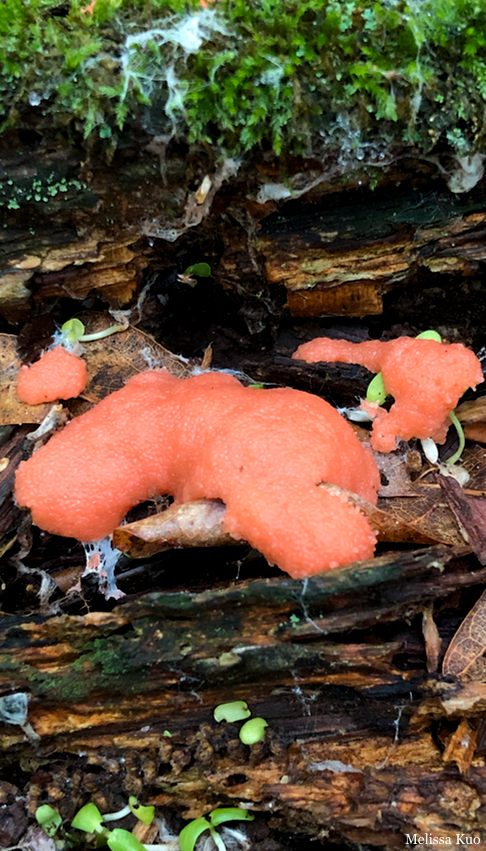
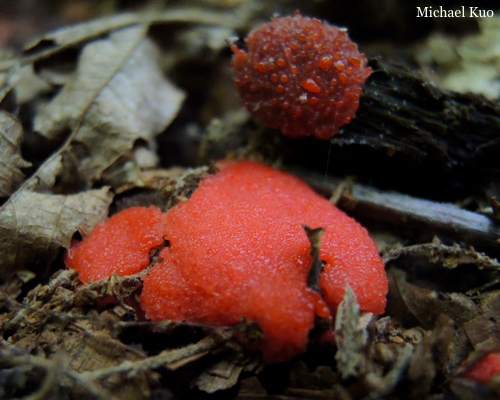
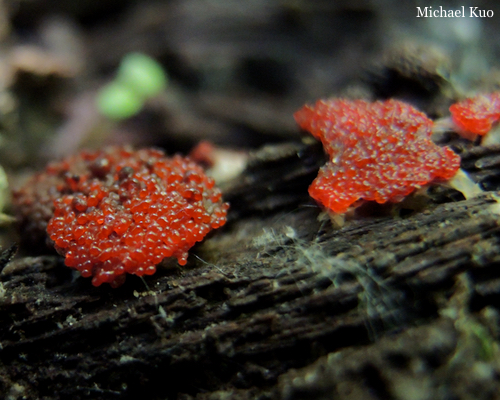
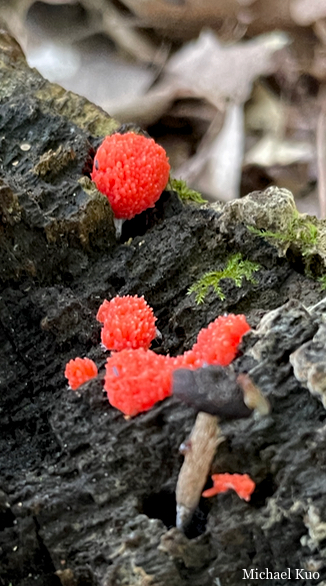
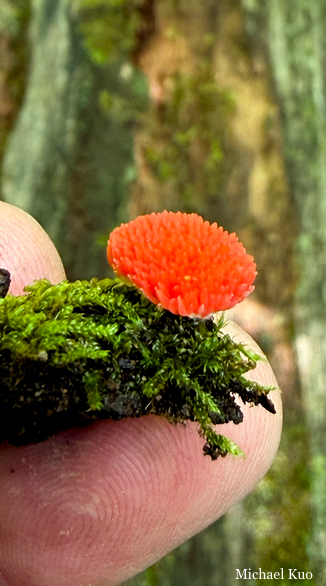
When fresh and young this slime mold does, indeed, look a bit like a raspberry. However, like most slime molds Tubifera ferruginosa goes through radically different stages of development, and its pre- and post-raspberry stages (see the illustrations below) are not very raspberryish.

Look for raspberry slime mold on well rotted wood during, or just after, wet weather. We find it on the deadwood of hardwoods, but it is often reported in the literature as appearing on conifer wood, as well. If your interest in slime molds is more than casual, we should let you know that this is actually a group of species (there are about a dozen worldwide, and many of them appear in the Midwest), best separated by microscopic analysis and very careful attention to the physical details of the fruiting bodies; see Leontyev et al. 2015 for an identification key and species descriptions.

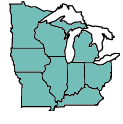
Range of Tubifera ferruginosa

midwestern range

Tubifera ferruginosa
the plasmodial stage is gooey and white, spreading across logs in patches; the fertile fruiting bodies emerge from the white goo


Tubifera ferruginosa
transitional stage


Tubifera ferruginosa
transitional stage breaking apart, "raspberries" emerging

Tubifera ferruginosa
young raspberries


Tubifera ferruginosa
fertile stage . . .


Tubifera ferruginosa
. . .


Tubifera ferruginosa
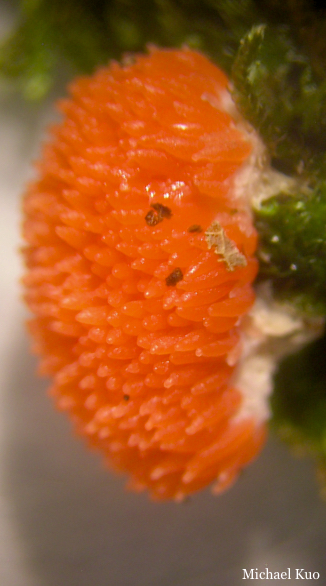
. . . magnified


Tubifera ferruginosa
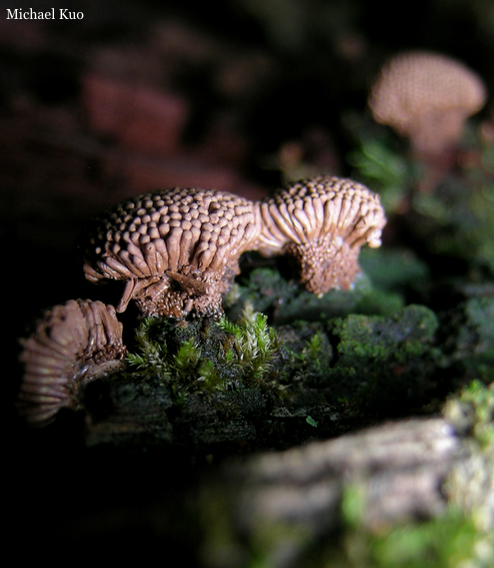
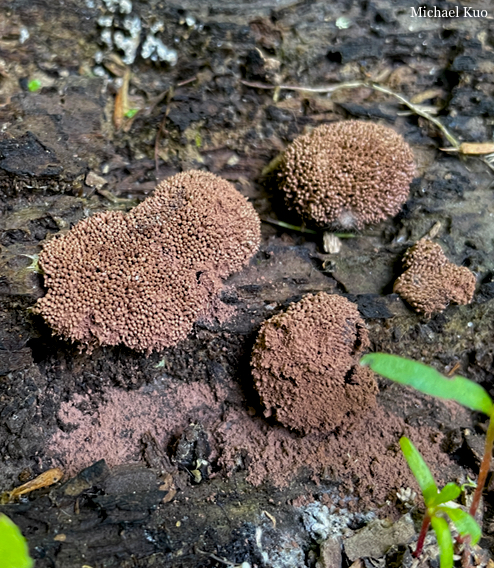
fruiting bodeis then become brown . . .


Tubifera ferruginosa
. . . and begin to disintegrate


Tubifera ferruginosa
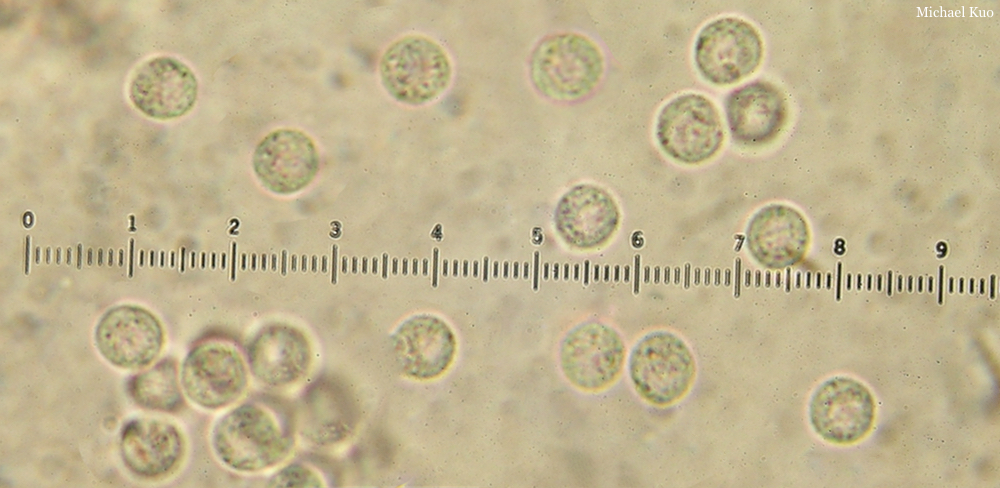
spores are round and minutely ornamented


References: Farr 1981, Lincoff 1992, Stephenson & Stempen 2000, Leontyev et al. 2015, Nibblet 2017, Ing 2020.


Kuo, Michael & Melissa Kuo (June, 2026). Tubifera ferruginosa (raspberry slime mold). Retrieved from the midwestnaturalist.com website: www.midwestnaturalist.com/tubifera_ferruginosa.html

All text and images © , midwestnaturalist.com.